

Blog · 15 April 2022
The Purpose of Techniques in a Self-Defense Situation
In self-defense our goal is one and the same — safety. But that can mean different things depending on the context.
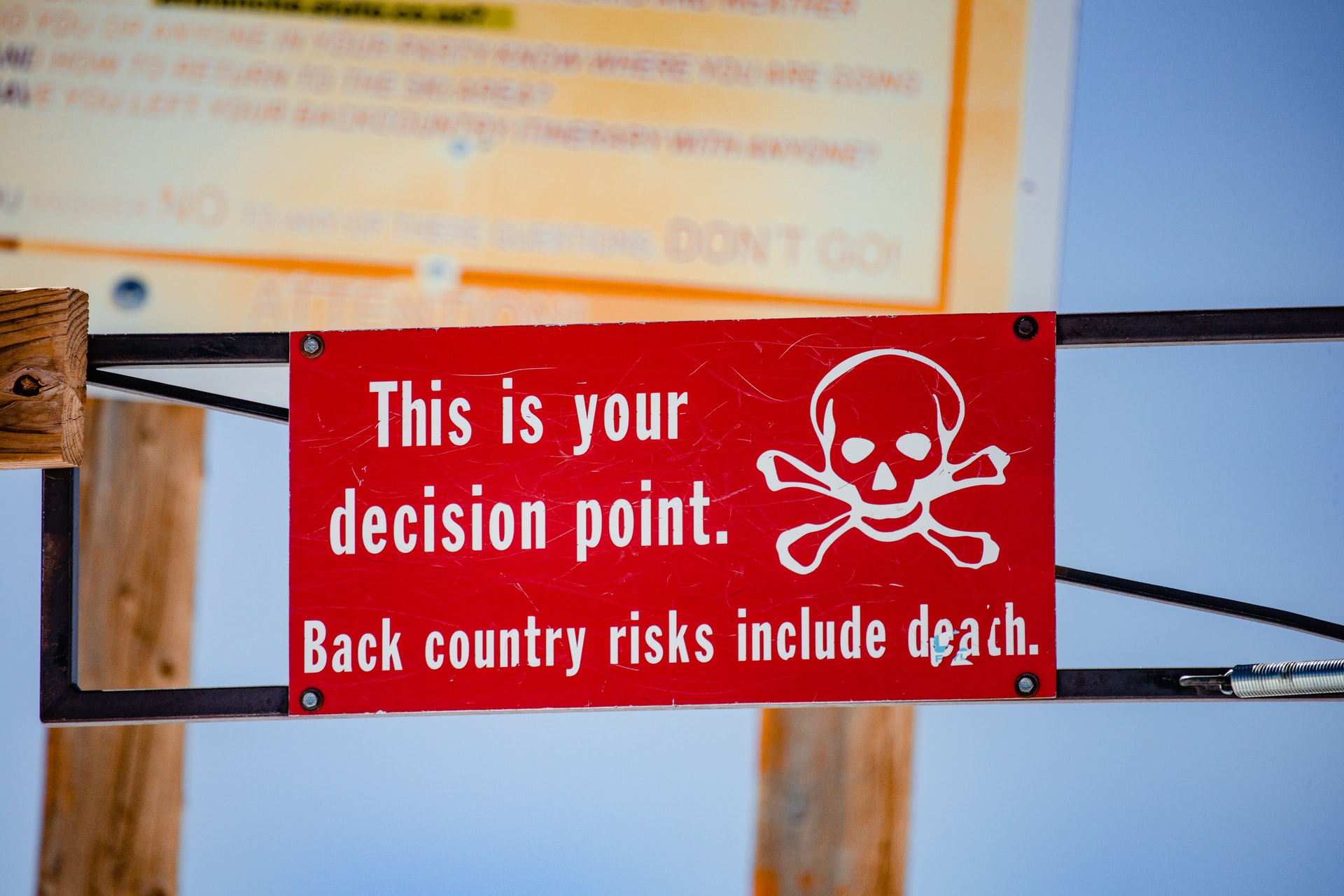
Context Is Important
One of the important rules in self-defense is “the situation dictates the technique”. This means that identical events can trigger completely different reactions depending on context: for example, being picked up by a partner is fine, while the same gesture from a stranger represents an assault and requires an appropriate response.
Define the Goal Clearly
Having a well-defined goal is a motto found everywhere today, including on motivational posters. When it comes to the outcome of a self-defense situation, our goal is always “safety”. But that can mean different things depending on context.
Self-Defense Is Generally “Selfish”
In the most general case, we seek the opportunity to escape and flee the scene of the assault. We might run towards our own car, intending to get in and drive away as quickly as possible if approached in a car park, towards the entrance of our house / apartment if we are close by, or towards a populated area if we are on a side street / in a park. In all these situations, it is important to defend ourselves and manage to create a few seconds’ window in which we can run without being caught after 2 metres. We are not particularly concerned whether the attacker recovers relatively quickly or not, whether the police manage to catch them or they get away. Our goal is our own personal safety.

Exceptions to the Rule
In more unusual situations, a few seconds in which the attacker is disoriented may not be enough. There is the possibility that the assault takes place in an enclosed space: in a car, in a lift cabin, or in a locked room. In this situation, defense requires incapacitating the aggressor for a longer period of time. They must be unconscious (or restrained) so that we have the time needed to reach safety or to call and wait for help.
Also in the above category are scenarios where you are not alone and you need to protect someone; whether you have two or more children (your own or in your care), or you are with a partner / a friend who for some reason cannot “make a run for it” with you — you will need to resolve the situation in a way that gives you more time to leave the scene of the assault.
Last in order come scenarios where you need to restrain the attacker (for example, you are on holiday with a group of friends including children, and someone breaks into the house where you all live — even if you could run, or take your family and run, you cannot leave the others in a dangerous situation). Restraint can in principle be achieved in two ways: the classic variant, in which you somehow restrict the other person’s ability to move, or by threatening them seriously enough that they do not move (for example, guarding them with a stick and preferably several friends alongside you).
Choose Wisely
It is important to note that as the complexity of the approach increases, so does the risk you expose yourself to. Striking once or twice and running away exposes you to the minimum risk, while attempting to restrain your attacker is the most dangerous approach.
Depending on the scenario you find yourself in, it is important to choose the simplest option that puts you in the least danger! The faster you identify the danger and the sooner you react, the more options you will have available.
Featured image by Joshua Sukoff / Article photo by Sander Sammy via Unsplash