
Blog · 21 February 2015
Falls and Rolls in Krav Maga
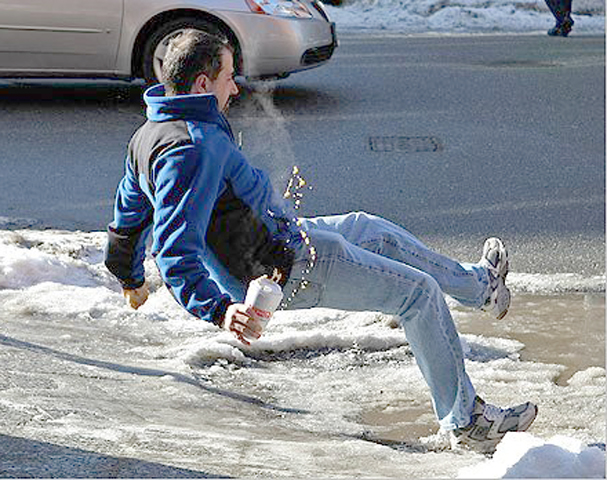
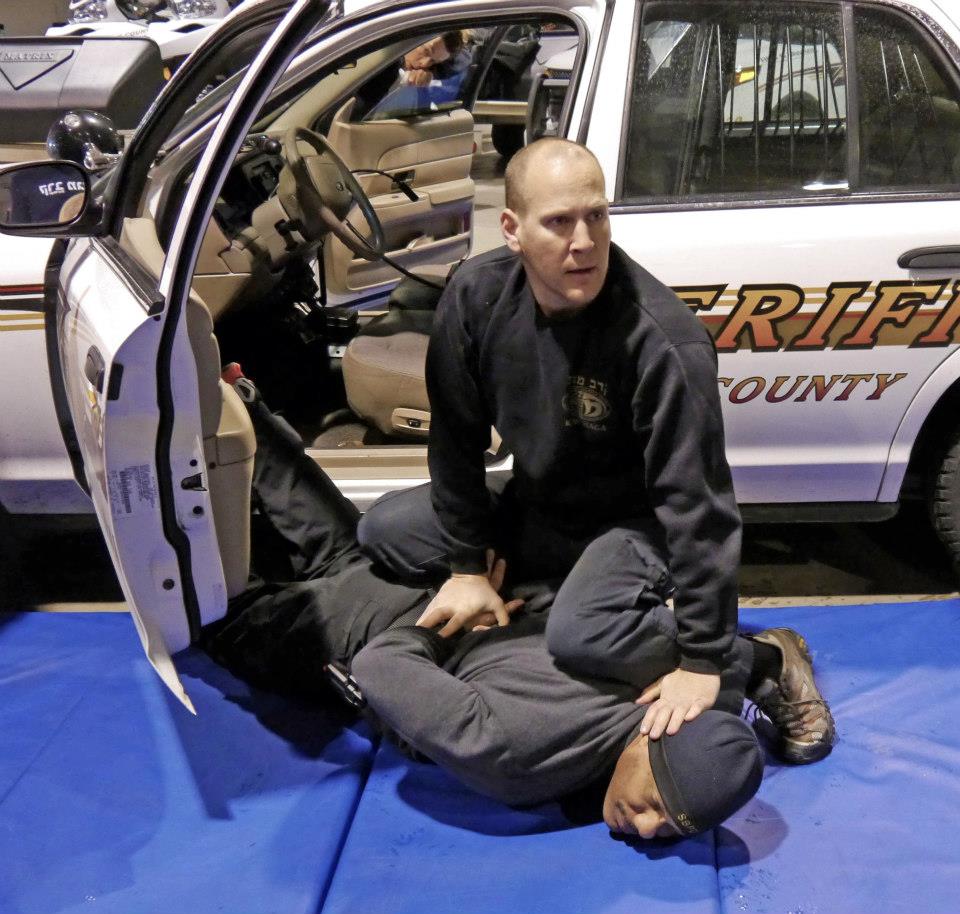
It is said that rolls and falls are an inseparable part of the fighting and self-defense competencies in Krav-Maga. When we begin training in Krav-Maga, we encounter basic falls and rolls at the P levels, but without studying them in depth and without understanding why we need to do this. When we discuss street fights in different environments, we educate ourselves and our students to remain standing, for tactical reasons. So, in short, we do not want to end up on the ground! Nevertheless, it is possible to fall against our will. We can fall for many reasons and in different ways, but regardless of how we got there, it is important to know how to fall safely and get up quickly. There are 2 main reasons why we train falls: 1. self-defense — to protect ourselves from ourselves, because we are often our own worst enemies; injuries caused by the fall itself — we break an ankle while running, or our coccyx when falling backwards, head bruises and trauma, broken nose or teeth, wrist injuries or shoulder dislocations. 2. A potential aggressor (or several), who would cause the fall with a strong push, an attack, or a takedown technique (when the attacker is a grappler). Moreover, when we try to pick up a weapon from the ground in front of an attacker, when the leg we kicked with is caught during a fight, or if we need to jump through a window when there is an imminent explosion — these are good examples of why we need rolls and falls on various surfaces and from various positions in Krav-Maga. It is considered that the best time to train someone on this subject is at a young age (around 5 years old), when the skeleton, muscles, tendons, and ligaments are not yet mature, and the body can absorb the impact of a fall quite easily without anything breaking or dislocating. We are not saying the actions will be without injury, but the trained student, in case of need, must have falls and rolls as part of their street survival tools. https://www.youtube.com/watch?v=bPbeQUno0u4 We have identified 2 major problems when it comes to training these techniques: 1. A gym that does not have adequate mats for this type of training and therefore does not invest time in this direction and/or postpones it to later stages. 2. An instructor whose own performance is insufficient, and who tends to avoid teaching the subject. When Krav Maga training begins at a later age (after 18 years), training falls and rolls is much more difficult for untrained students. From my point of view, and as a result of travels across the entire world, the main problems are: 1. Relaxing tense muscles (especially back muscles), in order to achieve effective rolling, regardless of mastery of the technique itself. 2. Absorbing the impact itself, especially when it comes to projections at levels G4-G5. When it comes to high-jump falls, another aspect that must be met in training is the courage factor. In order to execute this technique, similar to other difficult techniques, it is important to have preparatory exercises with the level gradually increased. This is the only way to teach students the technique properly. When it comes to falls, strong muscles — especially the core — correct technique execution, and reasonable flexibility of muscles and ligaments are the key to surviving a real fall on a hard surface without suffering serious injuries and losing the ability to continue fighting. From a curriculum perspective, the subject of falls extends from cushioning a fall against a wall from P1 to the military hard-fall technique with a weapon at E5. It is essential that these techniques are trained relative to the practitioner’s level, on different surfaces, in different contexts and positions. The subject has more implications than it may appear at first glance… In conclusion, when we say “Krav Maga is a way of life”, we mean that a trained practitioner who knows how to fall properly should not break their hip bones when slipping in the shower at an older age, or a woman should not dislocate/fracture her shoulder if she wears high heels and loses her balance. So, train for life — and all the best! Israel Tamir - GIT All rights reserved. Original article here. Content republished from the International Krav Maga Federation website with the author’s permission, Israel Tamir - GIT Expert 4 IKMF.